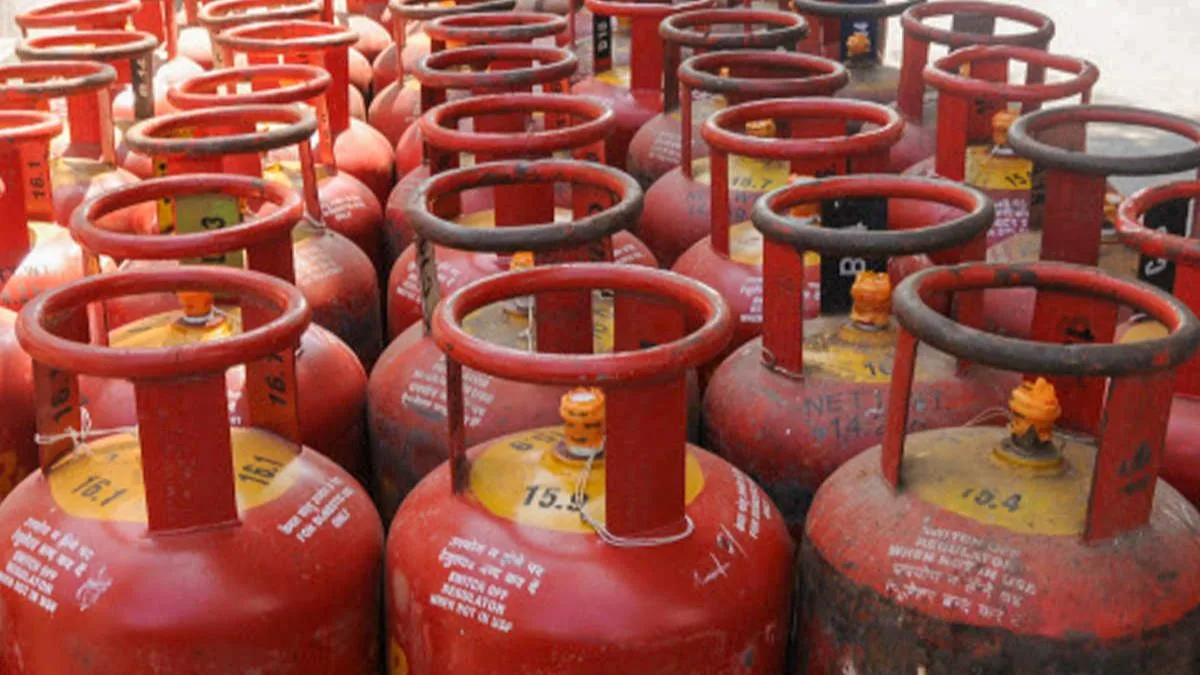
The ongoing conflict in the Middle East and its aftermath have led to a shortage of cooking gas in India. Alongside rising prices of both household and commercial LPG, bookings are now being accepted only after a 25-day gap. Restrictions have been imposed on the use of commercial gas, with exemptions granted only to essential institutions such as schools and hospitals. Hotels and restaurants have been particularly affected.
At Basanti Cabin in Serampore, a third-generation eatery, run by 80-year-old Tapan Bairagi, the impact has been severe. “Even though we depend heavily on commercial gas, we have always maintained one coal oven since the introduction of LPG. Our monthly coal consumption is 360 kg, costing Rs 760 per mon (40 kg). Cooking on gas is much faster than coal, but the restrictions and shortage of LPG have forced us to add another coal oven. Expenses are now much higher, and to keep the business running with even a marginal profit, food prices will have to be increased. Customers will inevitably pay more,” he said.
Advertisement
A hotel in Chunchura, which delivers food to 200-250 households daily, has also switched to coal stoves due to the lack of commercial gas. The slower pace of cooking has forced a reduction in the daily menu, making it difficult to deliver meals on time. Elderly residents, the sick, and working couples, many of whom rely entirely on chapatis prepared outside, are among the worst affected. With coal ovens driving up costs, the price of chapatis is expected to rise significantly, adding to the burden on nuclear families dependent on affordable daily meals.